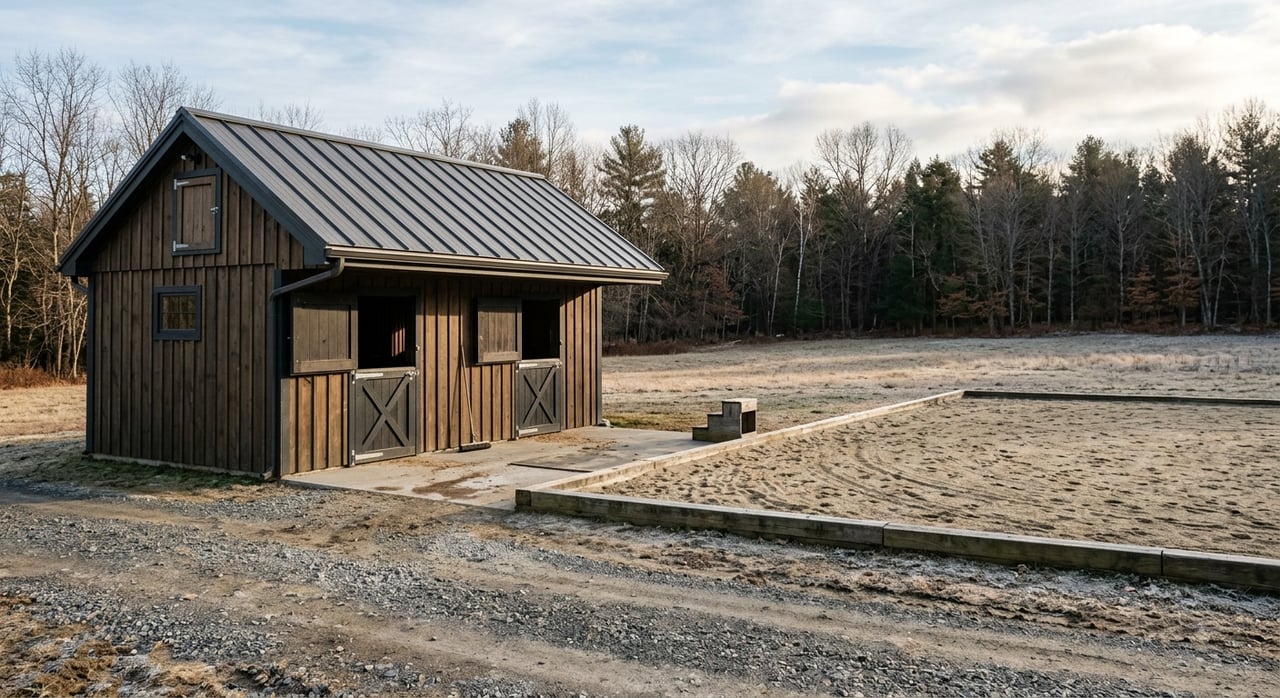
Dreaming about a place where you can keep a horse, grow a garden, or enjoy a few acres without giving up access to North Texas conveniences? In Grayson County, that lifestyle is realistic, but it comes with more moving parts than many buyers expect. If you want horse and hobby farm living to work well, you need to look beyond the view and understand the land, the setup, and the rules. Let’s dive in.
Why Grayson County Fits
Grayson County has the kind of agricultural footprint that makes horse and hobby farm living a practical option. According to the 2022 USDA Census of Agriculture county profile, the county had 2,851 farms covering 394,985 acres, with an average farm size of 139 acres.
That same USDA profile shows a strong mix of smaller and mid-sized farms. About 57% of farms fall in the 10 to 49 acre range, and 21% are in the 50 to 179 acre range. The county also reported 9,396 horses and ponies, which points to an established equine presence rather than a niche market.
For you as a buyer, that matters. It suggests Grayson County offers a real blend of small-acreage country homes, hobby farm tracts, and larger horse properties instead of just a handful of isolated options.
Acreage Expectations Matter
One of the first questions buyers ask is how much land they really need. In Grayson County, current and recently updated horse-property listings have ranged from roughly 3 acres to more than 50 acres, while Land.com listing patterns referenced in current inventory context through Realtor.com suggest an average lot size of about 40 acres for horse properties and 80 acres for ranch listings.
That does not create a formal county standard, but it does help set expectations. Many lifestyle buyers start shopping in the low-single-digit to 20-acre range, while more turnkey horse operations often show up on 20 acres or more.
The right amount of land depends on how you plan to use it. A property for one or two personal horses may look very different from a tract meant for regular riding, hay storage, additional livestock, or future improvements.
Look Beyond the Acre Count
A horse property is not just a number on a listing sheet. The way the land lays, drains, and holds up through heat and rain can affect how usable it feels every day.
Texas A&M AgriLife notes that many horse health and management issues connect directly to facility design and layout. In its guide on improving horse health through thoughtful facility management, AgriLife highlights the importance of space, movement, footing, fencing, shade, ventilation, clean water, turnout routines, and emergency access.
For a buyer in Grayson County, the practical takeaway is simple. You want to evaluate drainage, pasture condition, fence quality, trailer access, room for hay delivery, manure handling, and whether the property stays functional in summer conditions.
Check Pasture and Water Conditions
If you are buying a hobby farm or horse tract, pasture quality deserves close attention. Productive land needs routine management, and that affects both cost and day-to-day ownership.
The Grayson County AgriLife June/July 2025 newsletter advised landowners to soil-test pastures, time weed control carefully, monitor pond vegetation, and stay alert to horse flies in late June. That is useful local context because it shows pasture and pest management are regular parts of ownership in this county.
When you walk a property, think about how the land will perform over time. Ponds, grass cover, bare spots, muddy areas near gates, and signs of overgrazing can all tell you something about upkeep demands.
Barn Features That Help Daily Life
A well-planned barn can make routine chores much easier. A poorly planned one can create frustration, heat buildup, and extra maintenance.
AgriLife guidance on horse facility planning emphasizes practical details such as ventilation, shaded work areas, durable materials, and layouts that support safe daily handling. Its related horse-facility and program guidance also points buyers toward the basics of barn and arena functionality, including footing, fencing, drainage, and covered-use considerations.
As you compare properties, look for features that support your routine. Good airflow, useful wash or tack areas, sensible stall access, and materials that can handle Texas sun and wet cleaning often matter more than cosmetic updates.
Arena and Riding Setup Questions
If riding is a big part of your plan, the arena setup should be part of your due diligence. Some buyers only need open ground to ride casually, while others want a dedicated arena that works more consistently through different seasons.
Footing, drainage, fencing, and shade all affect how safe and usable an arena will be. Covered or partially covered riding space may also matter if you want more year-round consistency during hot weather.
Even if a property does not already have an arena, you should think about whether the land gives you a logical place to add one later. Layout matters as much as acreage.
Know the County Rules First
Before you fall in love with a tract, confirm what applies to that specific property. Rules can vary depending on whether the land is in an incorporated area, unincorporated county area, or subject to another layer of restriction.
According to the Grayson County development services page, the county does not have zoning regulations in unincorporated areas except within the Lake Ray Roberts Land Use Plan area and the North Texas Regional Airport-Perrin Field land-use compatibility zoning regulation. The county also states that individual properties may still be subject to deed restrictions, restrictive covenants, HOA obligations, and subdivision rules.
That distinction is important because many buyers hear “no county zoning” and assume there are no limits at all. In reality, private restrictions and location-specific rules can still shape what you can build or do.
Deed Restrictions and HOA Questions
For horse and hobby farm buyers, private restrictions can be just as important as public regulations. A tract may look ideal on paper but still limit livestock, outbuildings, fencing types, or business uses.
That is why deed restrictions, recorded covenants, and HOA obligations should be part of your review early in the process. If your goal is horse keeping, gardening, equipment storage, or adding a barn later, you want clarity before you close.
This is especially true for smaller acreage near newer development patterns. Rural feel does not always mean unrestricted use.
Barns, Sheds, and Permit Paths
Buyers are often surprised that not every outbuilding follows the same path as a home. In Grayson County, that distinction can be meaningful when you are planning a barn, riding shed, or other agricultural structure.
The Grayson County Fire Marshal permit guidance says the county fire code applies to new commercial, public, and multifamily construction in unincorporated areas. It does not apply to single-family homes, duplexes, triplexes, or purely agricultural buildings where no workers are present and the public does not enter.
That does not mean every project is automatically simple, but it does mean buyers should avoid assumptions. If you plan to add structures, it helps to confirm early which rules apply to the property and the intended use.
Burning and Land Maintenance
On acreage, routine maintenance often includes brush clearing, storm cleanup, and pasture management. If outdoor burning is part of your plan, you need to know the local process.
Grayson County states that outdoor burn piles are allowed only in unincorporated areas, must be registered with county dispatch on the day of the burn, and must comply with county and TCEQ requirements. For buyers moving from more suburban settings, this is the kind of operational detail that can catch you off guard.
It is a small example of a bigger truth. Country living works best when you understand not just the property, but also the day-to-day responsibilities that come with it.
Agricultural Appraisal Basics
If you are shopping for acreage, you have probably heard people mention “ag exemption.” In Texas, the more accurate term is agricultural appraisal or open-space appraisal, and qualification depends on actual use and history rather than buyer intent alone.
The Texas Comptroller’s agricultural and timber appraisal guidance explains that qualifying land may be appraised on productivity value rather than market value if it is devoted principally to agricultural use, meets the degree of intensity generally accepted in the area, and satisfies the five-of-seven-year use history test. The state also notes that land inside an incorporated city or town faces extra qualification requirements, and changing from agricultural use can trigger rollback tax.
For buyers, the key is not to assume a tract will automatically qualify just because it has acreage. You want to understand the current use, the history, and what would happen if your future plans change.
Local Support Makes Ownership Easier
One reason Grayson County stands out is that support resources are already in place. That can make the transition into horse or hobby farm living much more manageable.
The local Texas A&M AgriLife Extension office in Sherman offers agriculture and natural resources support, along with programming that includes ag and natural-resources events, private applicator training, and new-landowner education. If you are learning as you go, having a local knowledge base nearby is a real advantage.
This matters whether you are buying your first small acreage or moving up to a larger tract. Good local guidance can help you make better decisions about pasture care, land management, and long-term upkeep.
Feed, Tack, and Boarding Options
Horse ownership gets easier when supply runs do not require a major trip. Grayson County and nearby communities offer a practical support network for feed, hay, tack, and boarding.
For example, Tom Bean Feed & Hardware in Sherman sells premium hay and custom feed. The research also shows additional equine and farm-and-ranch supply options in Sherman and Whitesboro, plus boarding and training options such as Jimmy Lee Ranch in Whitesboro.
That local ecosystem can be especially helpful if you are starting with a smaller tract, need temporary boarding, or plan to scale your setup over time. You do not have to be fully self-contained on day one to make the move work.
What Buyers Should Review First
If you are serious about horse and hobby farm living in Grayson County, start with a practical checklist. It can save you time and help you compare properties more clearly.
- Land use: Confirm acreage, layout, drainage, and usable pasture area.
- Restrictions: Check deed restrictions, covenants, HOA rules, and location-specific county exceptions.
- Structures: Review existing barns, sheds, fencing, arenas, and access points.
- Operations: Consider feed delivery, trailer access, manure handling, and summer usability.
- Taxes: Ask about current agricultural appraisal status and use history.
- Support network: Map out nearby feed, tack, veterinary, boarding, and extension resources.
The best property is not always the one with the most acres. It is the one that fits your goals and supports the way you actually want to live.
If you are exploring horse property or hobby farm opportunities in Grayson County, working with a rural brokerage that understands acreage, restrictions, and land-use questions can make the process far more predictable. When you are ready to start your search, connect with Bois D'Arc Realty for practical, local guidance on North Texas country property.
FAQs
What makes Grayson County a good fit for horse and hobby farm living?
- Grayson County has a strong agricultural base, many small to mid-sized farms, and a meaningful equine presence, according to the USDA county profile.
How many acres do you need for horses in Grayson County?
- There is no single county standard, but current listing patterns show buyers shopping from a few acres up to 20 acres or more, with larger turnkey horse properties often appearing on bigger tracts.
What should you inspect on a Grayson County horse property?
- Focus on drainage, pasture condition, fencing, access for trailers and hay delivery, water availability, shade, and whether the layout supports safe daily horse care.
Does Grayson County have zoning for horse properties?
- The county says unincorporated areas generally do not have zoning, except in the Lake Ray Roberts Land Use Plan area and the North Texas Regional Airport-Perrin Field compatibility area, but private restrictions may still apply.
Can you build a barn on rural land in Grayson County?
- Some agricultural buildings may not follow the same permit path as a house, but you should still verify how the property’s location and intended use affect any building requirements.
Can Grayson County acreage qualify for agricultural appraisal?
- It may qualify if it meets Texas requirements for agricultural use, local intensity standards, and use history, but qualification is not automatic and changes in use can lead to rollback tax.
Where can horse owners get supplies or boarding near Grayson County?
- The area has local feed and supply options, plus boarding resources such as Jimmy Lee Ranch, which can help if you are not fully set up on your own property yet.