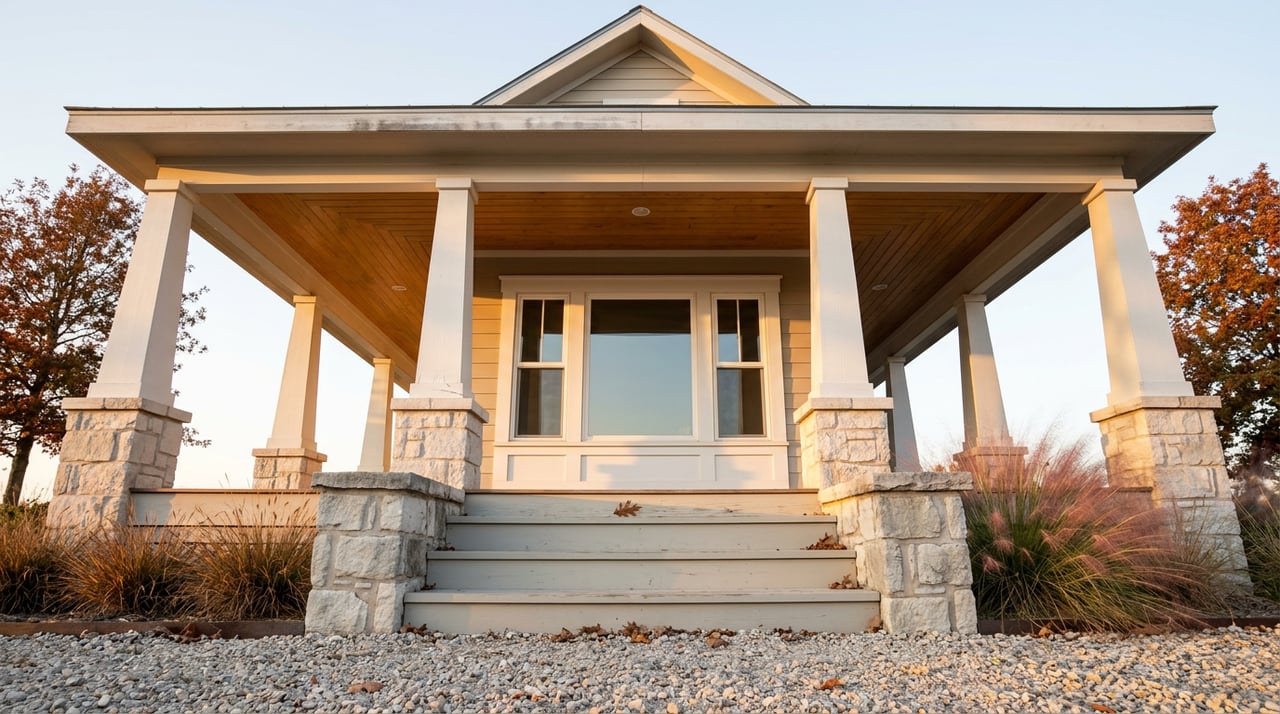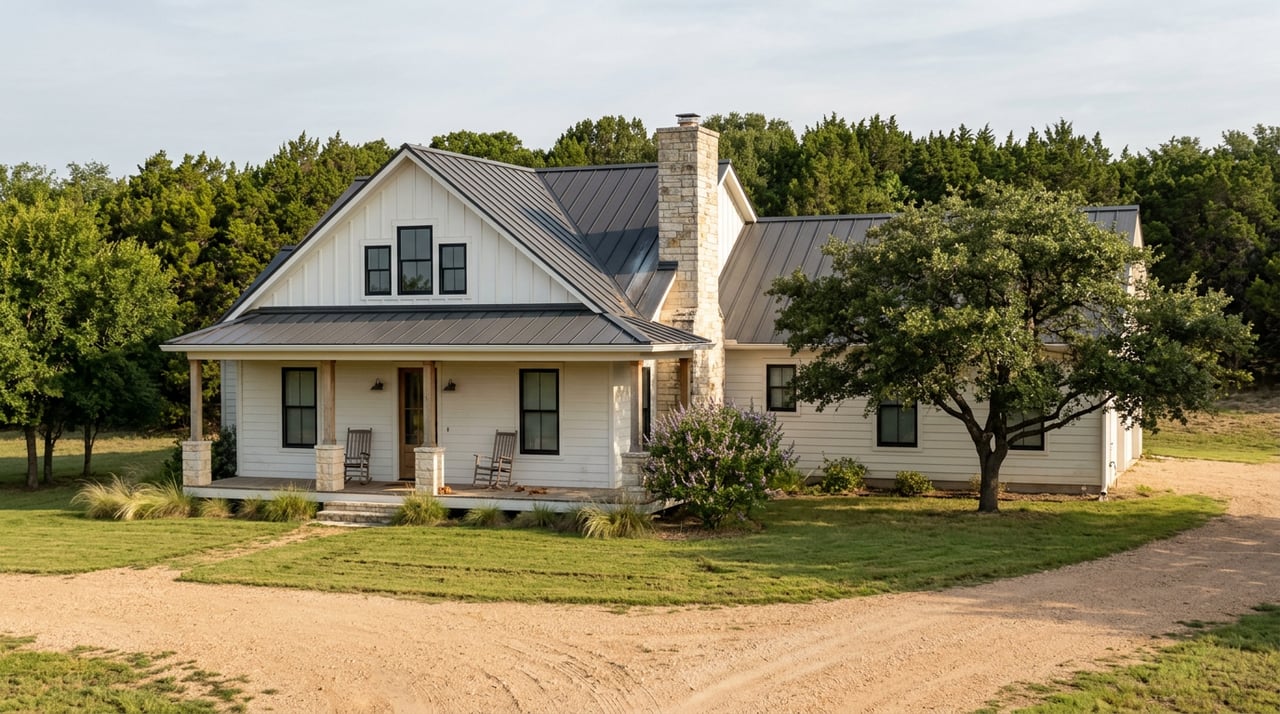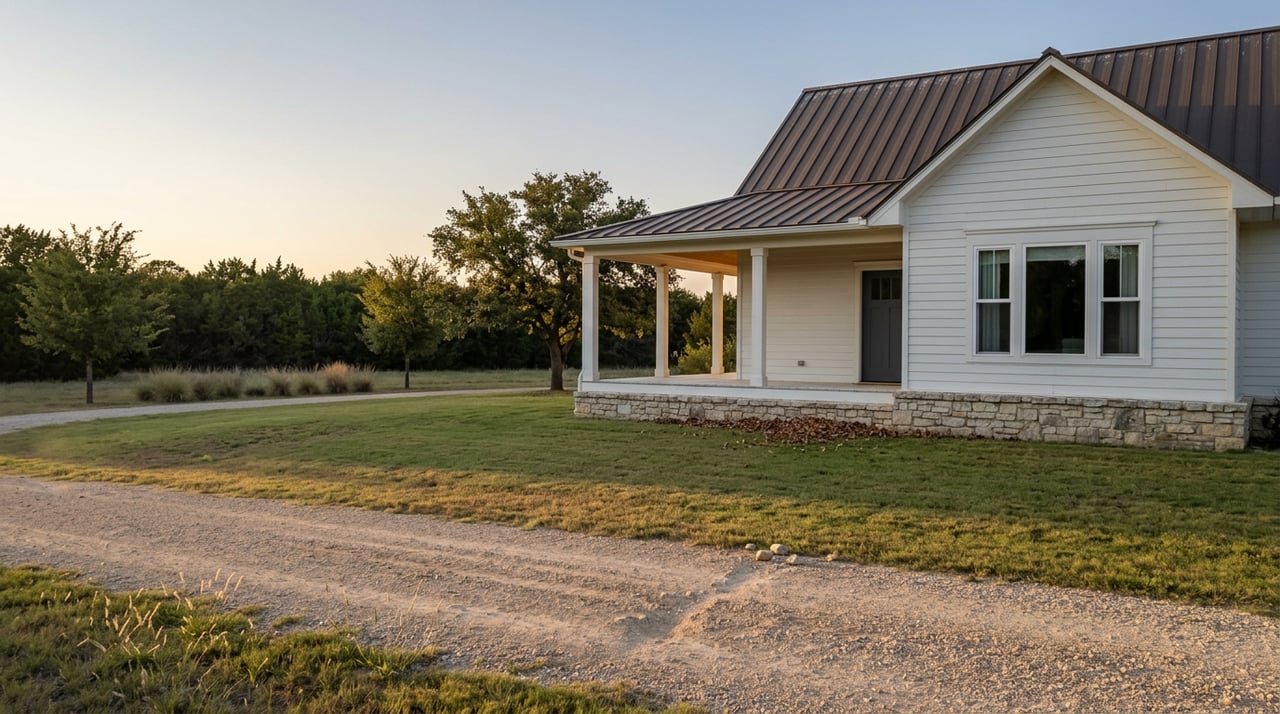
Wondering how many acres you really need in Grayson County? It is one of the most common questions acreage buyers ask, and the answer is rarely as simple as picking a number. If you want room to build, keep animals, protect future flexibility, or pursue agricultural valuation, the right tract size depends on how the land actually works. Let’s dive in.
Why tract size matters in Grayson County
Grayson County covers 932.84 square miles of land and had 135,543 residents in the 2020 Census, which gives buyers a wide range of rural property options. That variety is part of the appeal, but it also means one 10-acre tract can function very differently from another.
In unincorporated areas outside the Lake Ray Roberts and North Texas Regional Airport–Perrin Field compatibility areas, Grayson County does not have zoning. That makes acreage only one piece of the puzzle. Access, deed restrictions, subdivision rules, septic requirements, and floodplain conditions can all matter just as much as tract size.
Price is another reason size matters. Texas A&M’s Real Estate Research Center notes that smaller rural tracts usually sell at a higher price per acre than larger ones. So while a smaller parcel may feel more affordable overall, it can carry a premium when you look at the land on a per-acre basis.
Match acreage to your goals
The best tract size starts with your intended use. In Grayson County, local agricultural standards help show what different acreage ranges may realistically support.
Under 10 acres
A tract under 10 acres is usually a better fit for a homesite, hobby use, or specialty agricultural activity than for a traditional livestock setup. If your plan is to build a home, keep a large garden, plant crops, or maintain bees, a smaller tract may make sense.
Grayson CAD’s application materials list crops, floriculture, viticulture, and horticulture as agricultural uses. Its 2025 qualifying-use guide also says beekeeping can qualify on 5 to 20 acres, with 6 hives on the first 5 acres and one additional hive per 2.5 acres up to 20 acres.
For many buyers, that makes smaller acreage attractive if you want manageable land with some agricultural potential. But if you are thinking about cattle, goats, sheep, or horses, sub-10-acre tracts usually create more limits.
About 10 to 25 acres
This range often gives buyers a more practical balance of usability and cost. Around 10 to 25 acres, a tract begins to align more closely with local livestock standards and can offer more flexibility for pasture, fencing, and future planning.
Grayson CAD lists 10-acre minimums for cow/calf, stocker or feeder cattle, sheep, goats, and horse, donkey, or mule operations. The same guide says cattle on improved pasture generally run at 1 animal unit per 3 acres and on native pasture at 1 animal unit per 7 to 10 acres. Horse operations are listed at 1 animal unit per 4 to 5 acres plus supplemental feed.
If your goal is a small livestock property, this acreage band often deserves a close look. It may also give you room for a homesite, barn, or equipment area without making the property feel oversized for day-to-day upkeep.
25 acres and up
Once you move above 25 acres, you usually gain more flexibility. Larger tracts can make it easier to plan for pasture rotation, hay production, multiple uses, added privacy, or long-term family ownership goals.
That said, more acreage does not automatically mean fewer restrictions or easier agricultural qualification. Grayson CAD’s standards are based on productive use, stocking rates, prudent management, and documentation. In other words, a larger tract still needs to support real agricultural activity if that is part of your plan.
For some buyers, this size range is the right fit because it offers room to grow into the property over time. For others, it can create more work, more infrastructure needs, and a higher total purchase price than expected.
Buildability matters as much as acreage
A tract can have the right number of acres and still be the wrong property for your goals. In rural Grayson County, buildability often comes down to site conditions and county requirements rather than the size printed in the listing.
Grayson County does not require building permits or certificates of occupancy for single-family residential structures in the unincorporated county. But it does require an OSSF permit for any new or replacement septic system, a development certificate for new E911 addresses, culvert installations, and floodplain determinations.
If there is encroachment into a Special Flood Hazard Area, the county also requires a floodplain development permit and elevation certificate. On top of that, the Texas Commission on Environmental Quality says OSSFs must be designed from a site evaluation by a licensed site evaluator or engineer.
That means your ability to build may hinge on septic feasibility, drainage, floodplain limits, and access documentation. A smaller tract with solid road frontage and workable soils may be more practical than a larger tract with difficult access or development constraints.
Check access before you fall in love
Access issues can change the value and usability of rural land fast. If a property uses an access easement instead of road frontage on a county-maintained road, Grayson County wants recorded documentation.
The county also notes that Development Services does not maintain individual property surveys. That is why surveyed acreage, recorded easements, and the actual legal access matter more than a marketing description.
Deed restrictions or HOA obligations can also affect what you can do with the land, even in areas without county zoning. Before choosing tract size, make sure you understand the rules attached to the specific parcel.
Think beyond the purchase price
It is easy to focus on the list price, but tract size affects ownership costs long after closing. Smaller tracts often cost more per acre, while larger tracts may reduce the per-acre figure but increase the total dollars required to buy the property.
Ongoing upkeep matters too. As a practical matter, more acreage often means more fencing, mowing, brush control, road maintenance, and utility planning, especially on raw land.
That does not mean bigger is bad. It means the right tract size should fit both your budget and the amount of time, labor, and maintenance you want to take on.
Understand agricultural valuation before you buy
Many acreage buyers ask whether a tract will qualify for agricultural valuation. In Texas, qualifying farm and ranch land is appraised on productivity value rather than market value, but in Grayson County the local proof requirements are important.
Grayson CAD says the land must meet the county’s intensity standard, be principally devoted to agricultural use, and show agricultural use for five of the preceding seven years. Applicants may also need documents such as lease agreements, feed and fertilizer receipts, harvest sales, or profit and loss statements.
Agricultural valuation applies to the land and appurtenances such as fencing, ponds, and roads, not to the improvements themselves. So if you are buying with future tax treatment in mind, it is smart to look closely at the property’s current use, history, and records.
Small tracts can qualify, but not always
A common mistake is assuming any rural parcel can receive agricultural valuation. In Grayson County, some smaller tracts may qualify, but only if the use and history line up with local standards.
For example, beekeeping can qualify starting at 5 acres under the county’s guide. Wildlife management is another recognized use, but it is not a shortcut for land that never had agricultural use. Grayson CAD says wildlife management can only be used on land already receiving 1-d-1 open-space valuation, and it lists a 12.5-acre minimum for that use.
This is one area where your intended use really matters. If tax treatment is part of your buying decision, you want to verify the tract’s facts early rather than assume the acreage alone will carry the day.
Know the rollback tax risk
If agricultural use ends or the property is converted to a non-agricultural use, rollback tax may apply. Grayson CAD says this can be triggered by a conversion to non-ag use, including platting into a subdivision, and the tax is based on the prior three years of taxes plus 5 percent interest.
New owners also have to reapply when the property changes hands. The district notes that the prior application is confidential, so a buyer may need to contact the previous owner, operator, or even a neighbor to gather enough history for the new application.
That is why record collection matters. If preserving agricultural treatment is important to you, ask for supporting documentation before closing, not after.
Water and wells deserve a closer look
Water can be a deciding factor on rural acreage in Grayson County. If a tract relies on a private well or you plan to drill one, there is more to review than just whether a well exists.
The Red River Groundwater Conservation District has regulatory authority over groundwater resources in Grayson and Fannin counties. It says wells that transfer ownership must register, and registered wells generally need a mechanical, magnetic, or ultrasonic totalizing meter unless another method is approved.
For buyers, that means well records, registration status, metering, and long-term water planning should all be part of due diligence. A beautiful tract is only as workable as its access to dependable water.
A simple way to choose the right tract size
If you feel stuck between 5 acres, 15 acres, or 40 acres, start with how you want to use the property in real life. The right answer usually comes from your goals, not from an arbitrary acreage target.
Ask yourself:
- Do you want a homesite with manageable land, or land that supports livestock?
- Will you need room for barns, equipment, pasture rotation, or hay?
- Is agricultural valuation important to your budget?
- Have you confirmed access, septic feasibility, and floodplain conditions?
- Are you comfortable with the upkeep that comes with more acreage?
- If the tract has a well, have you reviewed the well requirements and records?
In Grayson County, the best tract size is the one that supports your intended use, your budget, and your long-term plans. That is why local due diligence matters as much as the acreage itself.
Choosing rural land is rarely just about buying more ground. It is about finding a tract that works for the life you want to build, whether that means a smaller homesite with a few hives, a horse-ready property, or a larger family holding with room to grow. If you want clear, practical guidance on Grayson County acreage, Bois D'Arc Realty is here to help you sort through the details with local insight and broker-led support.
FAQs
How many acres do I need for livestock in Grayson County?
- Grayson CAD lists 10-acre minimums for cow/calf, stocker or feeder cattle, sheep, goats, and horse, donkey, or mule operations, with stocking rates that vary by pasture type.
Can a small tract qualify for agricultural valuation in Grayson County?
- Sometimes. Grayson CAD recognizes certain smaller-scale uses such as beekeeping starting at 5 acres, but the land still must meet local intensity and use-history standards.
Does tract size determine whether I can build in unincorporated Grayson County?
- No. Septic requirements, floodplain conditions, access, recorded easements, and site-specific development requirements can be more important than acreage alone.
What should I verify about access on a Grayson County acreage tract?
- You should confirm whether the property has road frontage on a county-maintained road or recorded access easement documentation, because access affects both usability and development planning.
What happens to agricultural valuation when rural land changes owners in Grayson County?
- The new owner must reapply, and Grayson CAD says the buyer may need to gather agricultural history and supporting records because the prior application is confidential.
What should I know about wells on acreage in Grayson County?
- The Red River Groundwater Conservation District says wells that transfer ownership must register, and registered wells generally require an approved totalizing meter unless another method is approved.