Trying to choose between a home on acreage and raw land in Fannin County? It sounds simple at first, but the right answer depends on how soon you want to move, how much uncertainty you can handle, and how much control you want over the property. If you are weighing country living near Bois d’Arc Lake, Lake Ralph Hall, or elsewhere in Fannin County, understanding the local rules can save you time, money, and frustration. Let’s dig in.
Why This Choice Matters in Fannin County
In Fannin County, rural property is not always a blank canvas. The county’s development services resources point buyers to extraterritorial jurisdiction information, subdivision regulations, and special planning and zoning sections tied to Bois d’Arc Lake and Lake Ralph Hall.
That means the exact location of a tract can shape what you can do with it. Two properties with similar acreage may come with very different approval steps depending on access, utilities, platting history, and whether the land sits in an area with added planning considerations.
Homes on Acreage: The Simpler Path
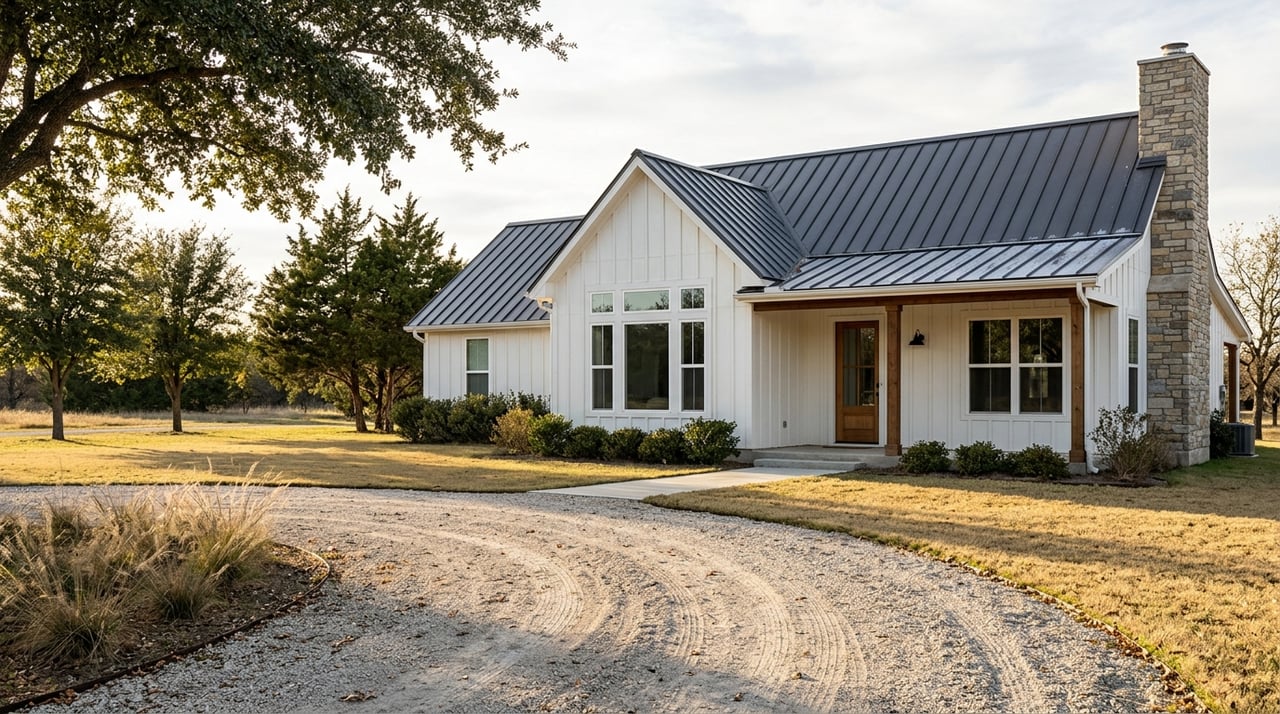
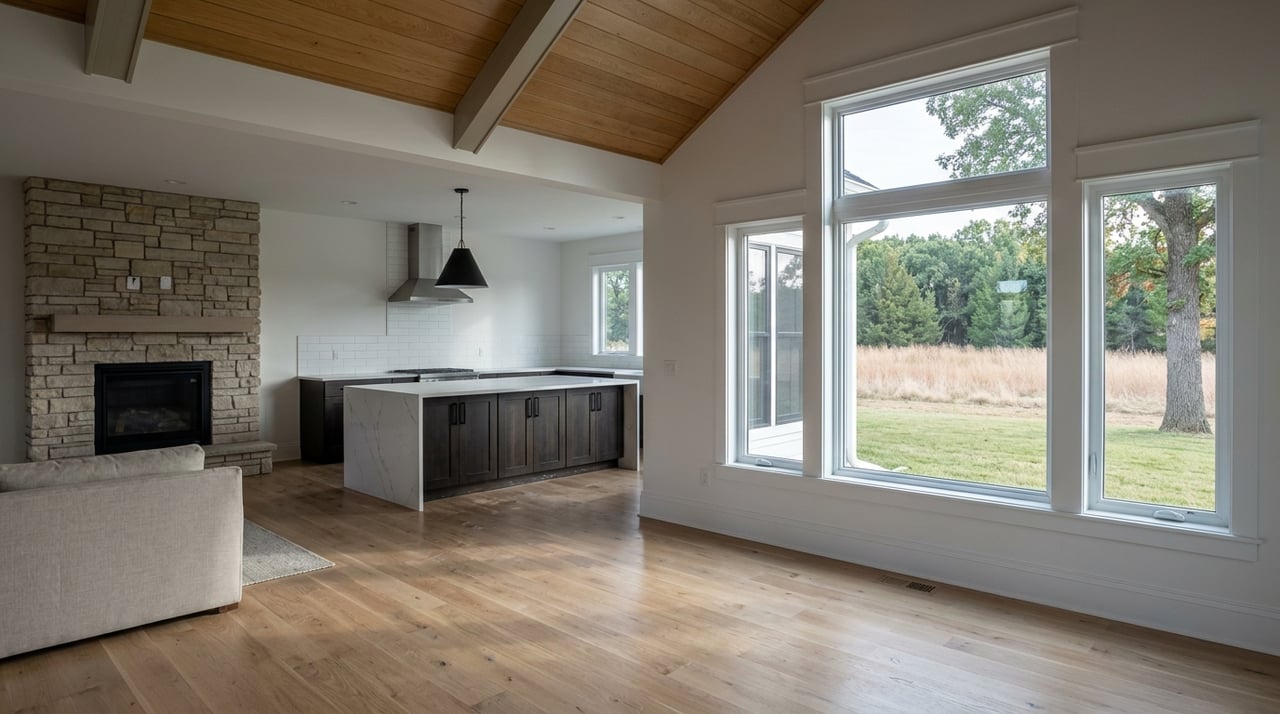
For many buyers, a home on acreage is the lower-friction option. You are typically buying a property where the house, driveway, and core utility setup already exist, which removes many of the unknowns that come with starting from scratch.
That can make a big difference if you want a faster move or a more predictable purchase. Instead of coordinating site work, septic planning, and construction timing, you can focus on the home itself, the land it includes, and whether it fits your daily life.
What You Gain With an Existing Home
A home on acreage usually gives you more certainty. The house has already been placed on the land, access has already been established, and the basic livability questions have often already been answered.
That does not mean you should skip due diligence. But it does mean you are less likely to begin the process with a long checklist of county approvals before you can actually live on the property.
Financing Is Often More Straightforward
Financing is another reason many buyers lean toward homes on acreage. USDA Rural Development states that eligible borrowers in eligible rural areas may use its guaranteed loan program to purchase or build a primary residence through approved lenders.
In practical terms, a completed home is often easier to fit into standard mortgage-style financing than bare land that still needs a build plan. That can simplify your timeline and reduce the number of moving parts between contract and closing.
The Main Tradeoff: Less Customization
The downside is flexibility. When you buy an existing home, you are also buying the current layout, house placement, orientation, and utility setup.
If your dream is to decide exactly where the home sits, where the shop goes, or how future pasture and privacy buffers will be arranged, an existing home may feel limiting. The benefit is that many of those decisions have already been tested in the real world.
Raw Land: More Control, More Work
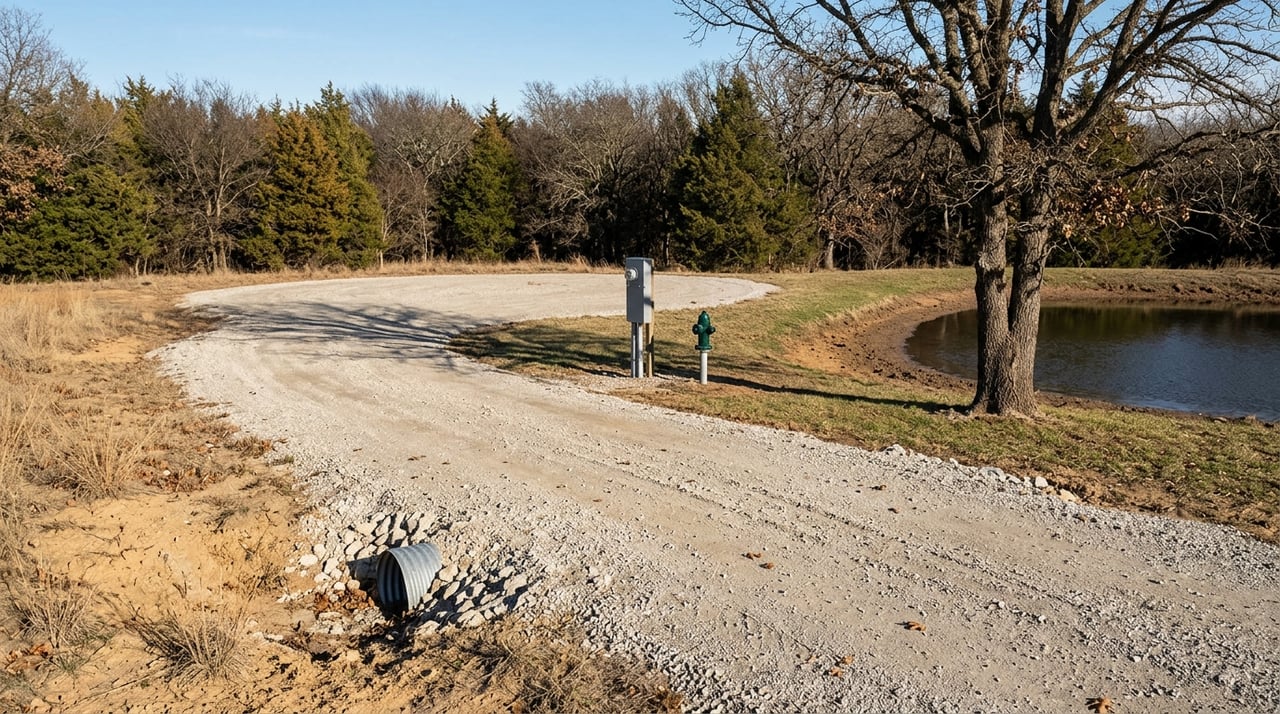
Raw land appeals to buyers who want to build a long-term country property their way. You can choose the homesite, plan for a barn or shop, think through pasture layout, and shape the property around how you want to live.
That freedom is valuable, but it comes with a bigger due diligence burden. In Fannin County, buying raw land often means you are not just buying dirt. You are also taking on a county paperwork and planning project.
What Raw Land Buyers Need to Confirm
Before you assume a tract is build-ready, you need to verify the basics. Key questions include legal road access, septic feasibility, water source, electricity availability, drainage, and whether the tract falls under lake-area overlays or subdivision-related rules.
Fannin County’s subdivision checklist shows how detailed this can get when land is being subdivided or replatted. The county may require OSSF approval for the plat, floodplain and soil information, drainage plans, utility-company letters confirming service, and TxDOT permission for certain driveway or culvert work on FM roads and state highways.
Septic Can Be a Major Factor
Wastewater planning is one of the biggest raw-land issues in Fannin County. According to the county’s OSSF guide, a parcel must already have an assigned 911 address before a septic permit is issued.
The county also lists a minimum lot size of 1 acre, or the lot must have been platted after January 26, 2009. On top of that, the permit process requires a site evaluation, system design review, and inspection before the system is covered.
For buyers, that means a tract may look perfect on the surface but still require several steps before it can support a home. This is one reason cheaper acreage is not always the cheaper path in the end.
Water Is Not Always Simple Either
Water can add another layer of review. The Red River Groundwater Conservation District covers Fannin County, and the district states that non-exempt wells are subject to permitting, metering, production reporting, and production fees, while exempt wells are not.
It is also important to know that the Texas Water Development Board says private well water quality is not regulated by the state. If you rely on a private well, you as the owner are responsible for addressing water-quality issues.
Timing: Move In Now or Build Later?
Your timeline can be the deciding factor between these two options. If you want to close, move in, and start enjoying country life sooner, a home on acreage usually fits that goal better.
Raw land tends to be a longer process. You may first need to buy the tract, complete due diligence, work through permitting, and then move into the construction phase.
Why Raw Land Takes Longer
Construction financing works differently from a traditional home loan. The Consumer Financial Protection Bureau says construction loans are usually short-term, generally carry a higher rate than a longer-term mortgage, and pay out in draws as construction progresses.
That structure creates a very different ownership experience. With raw land, you are often managing a two-step or even multi-step project instead of a single purchase and move-in timeline.
Taxes and Agricultural Appraisal
Some buyers are drawn to raw land because of the possibility of agricultural productivity appraisal. The Texas Comptroller states that qualified open-space agricultural and timberland can be appraised on productivity value rather than market value if the land meets the requirements.
In Fannin County, the appraisal district’s 2024 guidelines add that a valid application is required, the deadline is before May 1, and a change of use or subdivision can create rollback exposure. The land must also be currently devoted principally to agricultural use and generally meet a five-of-seven-year history requirement.
Do Not Assume the Tax Benefit Is Automatic
This is an area where buyers should be careful. A rural parcel does not automatically qualify just because it is large or outside town.
If agricultural appraisal matters to your purchase decision, you need to confirm current use, history, and any risks tied to your future plans. Subdividing or changing the use of the property can affect how that benefit applies.
Which Option Fits You Best?
The better choice usually comes down to your priorities. If you want fewer unknowns, a more standard financing path, and a quicker move, a home on acreage is often the better fit.
If you want full control over homesite placement, future improvements, and long-term land planning, raw land may be worth the added time and complexity. The key is making sure you understand the county-specific issues before you commit.
A Simple Side-by-Side View
| Option | Best For | Main Advantage | Main Challenge |
|---|---|---|---|
| Home on acreage | Buyers who want a faster move and fewer unknowns | Existing house, access, and utility setup reduce risk | Less control over layout and improvements |
| Raw land | Buyers who want to build a custom country property | Maximum flexibility for design and future use | More due diligence, permitting, and timeline risk |
In Fannin County, this is not just a lifestyle choice. Septic permits, 911 addressing, well rules, subdivision review, drainage, and lake-area overlays can all affect whether land is truly ready for your plans.
When you are buying country property, local details matter. With decades of experience in rural real estate across North Texas, Bois D'Arc Realty helps you compare acreage homes and raw land with a practical, county-specific approach.
FAQs
Is raw land in Fannin County ready to build on?
- Not always. In Fannin County, build readiness can depend on septic feasibility, 911 addressing, water source, access, drainage, utility availability, and whether the tract falls under subdivision or lake-area rules.
Does Fannin County require anything before a septic permit is issued?
- Yes. The county’s OSSF guide says the parcel must already have an assigned 911 address before a septic permit can be issued.
Are private wells in Fannin County regulated?
- The Red River Groundwater Conservation District covers Fannin County, and non-exempt wells are subject to district rules such as permitting, metering, production reporting, and production fees.
Is a home on acreage easier to finance than raw land in Fannin County?
- In many cases, yes. A completed home is usually easier to place into standard mortgage-style financing than bare land that still requires planning, permits, and construction.
Can rural land in Fannin County qualify for agricultural appraisal?
- It may qualify if it meets the Texas and Fannin CAD requirements, including current qualifying use, application deadlines, and generally a five-of-seven-year use history. It is not automatic.
What is the biggest difference between acreage homes and raw land in Fannin County?
- The biggest difference is usually certainty versus flexibility. Homes on acreage tend to offer a faster, more predictable path, while raw land offers more control but requires more due diligence and planning.