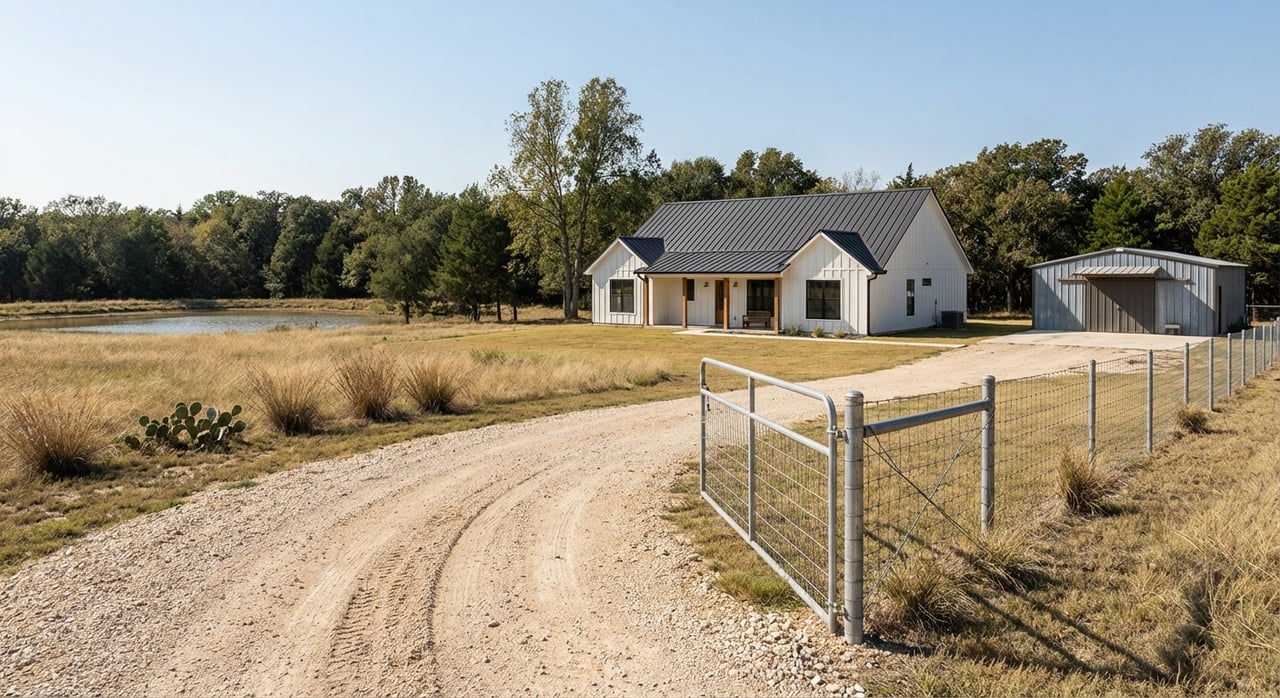
Craving room to roam without leaving North Texas? If you are eyeing 10 or more acres in Grayson County, you are likely picturing privacy, a shop or barn, maybe a pond, and weekends on Lake Texoma. That vision is real, but acreage also comes with new rules, taxes, utilities, and upkeep. In this guide, you will learn what life on 10-plus acres actually looks like in Grayson County and how to buy with confidence. Let’s dive in.
Grayson County at a glance
Grayson County sits just north of Dallas–Fort Worth on the Oklahoma border, anchored by Sherman and Denison. The area blends small cities, lake communities, and wide rural tracts with a steady growth trend. The local Extension office is a great window into the county’s rural character and resources for landowners at the county level through Texas A&M AgriLife in Grayson County.
If you plan to keep a foothold in DFW, Sherman is commonly cited as about 70 miles north of Dallas, which supports a range of commuting and hybrid work setups. Specific drive times vary by address and traffic, but you can use Sherman as a baseline, as noted in regional references about the city.
Market-wise, buyers usually see more acreage options at prices that are moderate for North Texas. For a snapshot of pricing and inventory patterns across the county, check the Grayson County page on Realtor.com. It is a helpful monthly pulse-check as you compare 10 to 20 acre homesites, working ranch tracts, and recreational parcels.
What 10+ acres changes
Zoning and permits
Most unincorporated parts of Grayson County do not have countywide zoning. Exceptions include specific districts, like the Lake Ray Roberts zoning district and airport zoning. Even without county zoning, a property can still have deed restrictions, covenants, or an HOA that limit use, so you need to read the recorded documents. The county also has subdivision and road standards if you plan to split land. Get the details from Grayson County Development Services.
For building, the county does not issue building permits or Certificates of Occupancy for single-family homes in unincorporated areas. Rules change if you are inside a city limit or a special district, and commercial or multifamily structures follow different standards. If you are adding shops, barns, or other accessory buildings, confirm whether your location requires permits or inspections and review any deed restrictions through your title work.
Septic, wells and floodplain
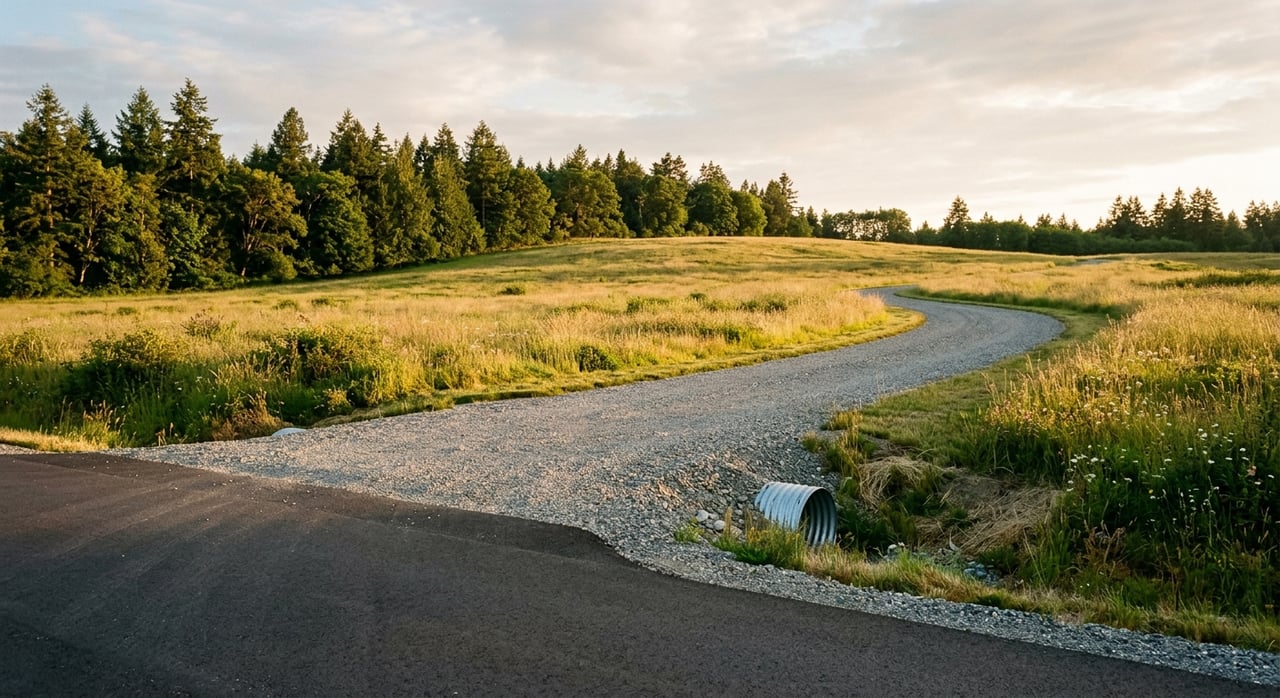
New or replacement septic systems require an On-Site Sewage Facilities permit from the county. That makes OSSF feasibility a key item for vacant or lightly improved acreage. Floodplain rules also matter. If any part of your tract touches a Special Flood Hazard Area, you will need a floodplain development permit and may need an elevation certificate. Driveway culverts, new access points, and an E-911 address assignment also run through Development Services. Start your checks with the county’s permitting and floodplain guidance.
Taxes and ag valuation
Grayson Central Appraisal District appraises property values and administers exemptions and special appraisals. If your land supports bona fide agricultural production, timber, or wildlife management, you may qualify for a special open-space appraisal that reduces your taxable value. Review applications, qualifying uses, and reporting through the GCAD agricultural and special appraisal forms. Remember that total property taxes are the sum of several taxing units that vary by location, with the school district usually the largest piece. Always verify the actual taxing units and current bill for any parcel you are considering.
Daily life on acreage
Maintenance and land care
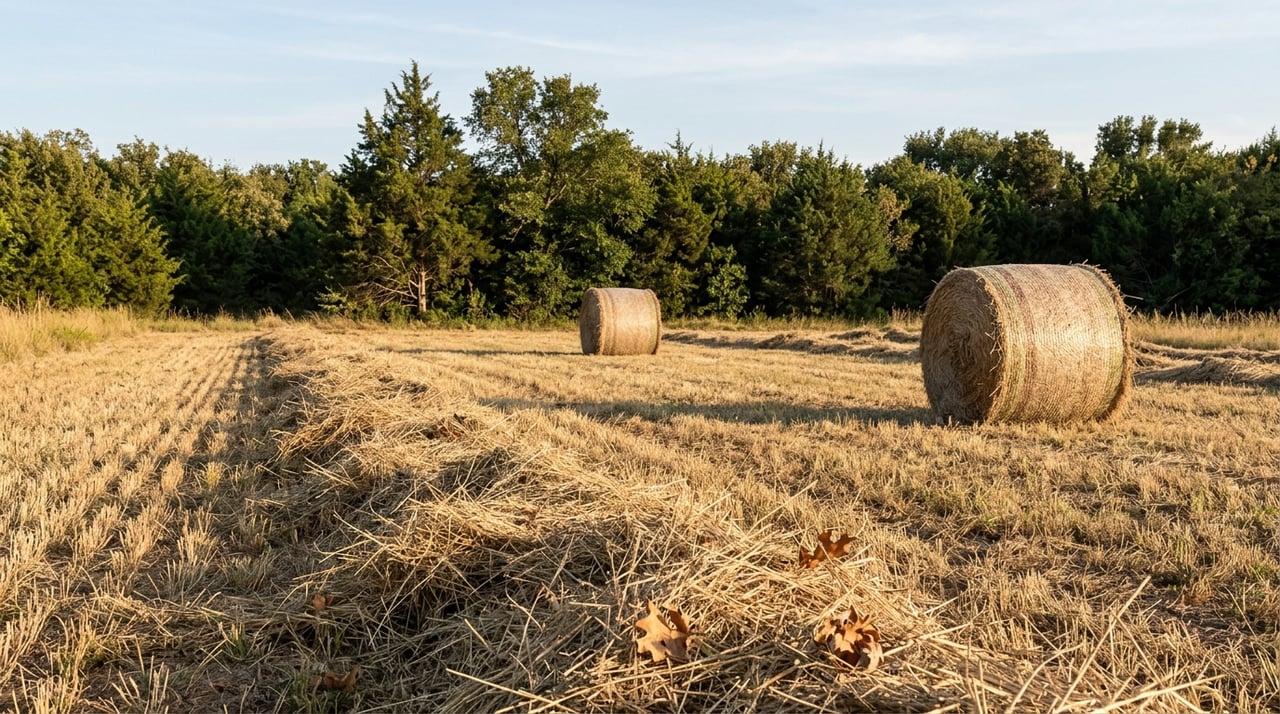
Acreage living means routine work that keeps the land healthy and safe. Expect fence repairs, brush and weed control, mowing of clearings, driveway grading, culvert cleaning, tree trimming, and pond upkeep if you have surface water. Some jobs are seasonal, and many owners bring in contractors for heavy brush-hogging, tree work, or new fencing. For best practices on pastures and local referrals, connect with the Grayson County AgriLife Extension office.
Septic and wells
If the property has a septic system, plan for periodic pumping and regular care to protect the drainfield. Ask for recent OSSF inspection reports and pump-out records during your option period. If there is a private well, verify the pump’s condition, recent water quality tests, and a pump test that confirms production. Licensed well drillers and the Extension office can discuss aquifers and performance trends in your area of the county.
Wildlife and recreation
You will likely see white-tailed deer, wild turkey, seasonal waterfowl near lakes, and sometimes feral hog activity. Feral hogs are common in North Texas and can damage ground and fences, so plan a control approach. Hunting and wildlife management follow Texas Parks and Wildlife rules, which change by season and species, so check current guidance before you start a plan. Lake Texoma and local parks add year-round boating, fishing, and shoreline fun, which is a major perk for many acreage owners.
Fire safety and burns
Open burning is regulated at the county level, and burn bans can go into effect during dry periods. Grayson County requires burn registration for planned burns, and rural response times can vary by distance to the nearest staffed station. Review current burn status, registration steps, and local VFD contacts through the Grayson County Fire Marshal before you light a pile or schedule land clearing.
Utilities and internet
Outside city limits, you will often rely on a mix of propane delivery or natural gas, electric service from the local utility or co-op, and private well and septic systems. Broadband is address specific. Cable or fiber is common in Sherman, Denison, and town centers, while outlying tracts frequently use fixed wireless or satellite. Before you buy, run address-level checks with an availability tool like Allconnect’s Sherman locator to confirm your options.
Benefits and tradeoffs
Living on 10 or more acres delivers space, privacy, and flexibility. You can build a shop, keep horses or a small herd, garden at scale, and set up your own trails and range. With true agricultural or wildlife use, you may also qualify for a special appraisal that lowers taxable value.
The tradeoffs are real. Commutes can be longer, contractor visits cost more, and you take responsibility for septic and wells. Cell or internet can be variable outside town, and emergency response can be slower in very rural areas. For resale context and general market tempo, the Realtor.com county overview gives a helpful at-a-glance view as you compare acreage to suburban homes.
Financing and insurance notes
Rural properties are routinely financed, but underwriting can be different from a suburban home. Lenders may require septic and well inspections, a current survey, and clear legal access. If you are considering government-backed options like USDA, VA, or FHA, check eligibility early and work with a lender who understands rural parcels and acreage improvements.
Insurance needs can be unique. Ask carriers about wildfire coverage, pond liability, and proper limits for detached shops and barns. If your place is more remote, discuss replacement cost assumptions for longer response times and confirm that accessory structures are listed correctly on your policy.
Buyer due diligence checklist
Use this list to keep your deal on track:
- Access and roads. Confirm deeded road frontage or a recorded easement and who maintains the road. Verify any shared-access agreements.
- Title and restrictions. Pull title and the plat, and review recorded deed restrictions, HOA or POA rules, and any mineral reservations.
- Septic and OSSF. For existing systems, request maintenance and pump records plus an inspection. For new systems, confirm OSSF permitability with county staff.
- Water and wells. Ask for a recent pump test, water quality lab results, and the well log. If no well exists, discuss aquifer behavior with local drillers and the Extension office.
- Floodplain and drainage. Review FEMA flood maps and any county floodplain permit requirements. Get an Elevation Certificate if a Special Flood Hazard Area is involved.
- Utilities and broadband. Verify electric provider, propane delivery, rural water availability if applicable, and run address-level internet checks.
- Taxes and valuations. Pull the current tax bill, confirm all taxing units, and talk with GCAD about agricultural or wildlife special appraisal eligibility and needed documentation.
- Fire and safety. Identify the nearest VFD or station, ask about ISO ratings and expected response, and learn current burn rules before you plan land clearing.
- Environmental issues. Ask sellers about past tanks, dumping, or potential contamination, and flag any creeks or wetlands that could add regulatory layers.
- Survey and boundaries. Order a boundary survey or update an existing one to locate improvements, easements, and setbacks before closing.
Local help and next steps
Acreage dreams become reality when you match the right tract with clear due diligence. That means confirming utilities and access, understanding septic and floodplain requirements, and planning for the day-to-day work that keeps land in shape. A broker who lives this world can save you time and risk.
If you want 10-plus acres in Grayson County, we can guide you through every step, from shortlisting properties to coordinating inspections, surveys, and a smooth close. Start your search with a team that specializes in rural North Texas. Connect with Bois D'Arc Realty to get expert, broker-led help today.
FAQs
How far is Grayson County from Dallas for commuters?
- Sherman is commonly referenced as about 70 miles north of Dallas, and exact drive times depend on the property address and traffic, as noted in regional summaries of Sherman’s location.
Do I need a building permit to build a home on unincorporated land?
- In most unincorporated areas, the county does not require building permits or Certificates of Occupancy for single-family homes, but rules differ inside city limits and special districts, so confirm with Grayson County Development Services.
What is an agricultural valuation for property taxes?
- If your acreage meets bona fide agricultural or wildlife management use, you may qualify for a reduced open-space appraisal that lowers taxable value; review applications and rules through GCAD’s ag and special appraisal forms.
How do I check internet options on rural acreage near Sherman or Denison?
- Availability is address specific, so run checks with a tool like Allconnect’s Sherman page to compare fiber, cable, fixed wireless, and satellite options for your exact location.
What should I know about burn bans and open burning on my land?
- Burn bans can go into effect during dry periods, and the county requires burn registration for planned burns; verify current status and steps with the Grayson County Fire Marshal.
Which permits cover septic systems and floodplain work?
- New or replacement septic systems need an OSSF permit, and work in a Special Flood Hazard Area requires a floodplain permit and often an elevation certificate; start with the county’s permitting guidance and confirm details for your parcel.