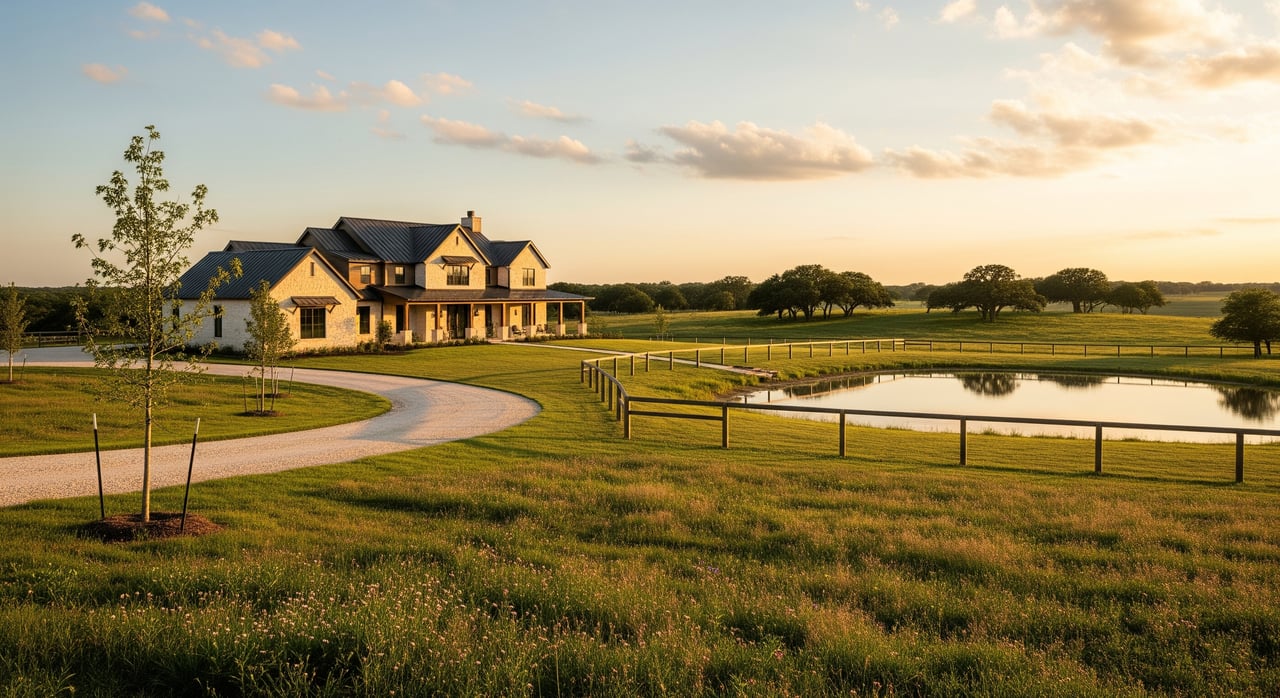
Dreaming of a little more elbow room without giving up your access to the Dallas–Fort Worth job centers and amenities? If you are eyeing 5–20 acres in Fannin County, you are not alone. You want space, privacy, and a place to build, but you also need reliable utilities, solid road access, and a manageable commute. This guide shows you where small-acreage homesites most often trade in Fannin County and what to verify before you buy, so you can move forward with confidence. Let’s dive in.
Best places to look
Southern and southwestern near Bonham
If you want the best balance between privacy and commute time, start on the southern and southwestern side of the county near Bonham and toward the Collin and Grayson county lines. You will find more paved county and farm-to-market roads and quicker access to everyday services in and around town. Parcels just outside city limits usually rely on private wells and on-site septic, while some tracts near existing neighborhoods may access municipal water or sewer. Expect mostly pasture with small wooded draws, ponds, and rectangular tracts carved from larger ranches.
Leonard and west-central corridor
Around Leonard and the west-central pockets of the county, you get a similar rural feel with a local service hub close by. Prices often compare favorably to the southern corridor, which can be helpful if you are budget conscious. Utilities mirror the southern area, with municipal services inside town and well and septic outside. Road quality is a mix of paved and gravel, and farm-to-market routes make it easier to reach the northern DFW suburbs.
Northern and eastern toward Honey Grove and Ladonia
If your top priority is privacy and a deeper rural setting, expand your search north and east of Bonham. You will see more timbered tracts, larger blocks of pasture, and recreational parcels with ponds. Most properties use private wells and septic with electric service from rural providers. Access may be on narrower county roads that can be gravel or unimproved, so it is wise to visit after a rain to see drainage and road conditions firsthand.
Whitewright and the western boundary
The western edge of Fannin, including pockets near Whitewright and where the county meets Grayson, offers quick access to larger retail and medical centers in neighboring counties while keeping you in Fannin. Road connections are often stronger here. Some tracts may benefit from utility providers tied to nearby infrastructure, but you should confirm the specific provider, service area, and any extension costs before you decide.
Commute tradeoffs
Buying a small acreage tract usually means trading a longer drive for more space and privacy. Southern and southwestern Fannin typically delivers the shortest trips to McKinney, Plano, and the northern DFW suburbs. Northern and eastern areas generally cost less per acre and feel more secluded, but you will spend more time on the road. Test your exact route during peak hours, and factor in school pickup times, weather, and road surface. For many buyers, the right answer is a corridor that blends commute efficiency with the land features they value most.
Utilities and services to verify
Water and sewer
Outside city limits, plan for a private water well and on-site septic system. If a tract is inside or right next to a town service area, municipal water and sewer may be available, but always verify availability, capacity, and connection fees. As part of due diligence, request a well yield and water quality test and schedule a soil evaluation for septic.
Electricity
Electric service is generally available along county and farm-to-market roads, with rural tracts served by cooperatives or utility extensions. Confirm the provider early and ask about line extension policies, easements, and estimated costs. If the building site sits far off the road, factor the extra run into your budget and timeline.
Broadband and phone
Internet availability varies by corridor and even by street. Some areas have fiber or fixed wireless options, while others rely on satellite or slower fixed wireless. Check by exact address and talk to neighbors about performance and reliability. If you work from home, make broadband verification a top priority.
Roads and maintenance
Parcels near towns often front paved roads, while tracts farther out may be accessed by gravel or dirt roads. Some properties rely on private drives or easements. Confirm who maintains the access road or shared driveway and whether there is a road maintenance agreement. Visit after wet weather to see drainage, culvert performance, and the true condition of gravel segments.
Land and permitting checkpoints
Floodplain and soils
Use FEMA flood maps and county GIS tools to check for floodplain. Low-lying areas and creek bottoms may carry building limitations and higher insurance costs. Soil type affects septic design and well siting, so pair county soil surveys with a local septic or soils professional to confirm feasibility.
Platting, surveys, and access
Verify that the tract is properly platted or determine what is required if it is not. Order an up-to-date survey that confirms boundary lines, easements, and legal access. If access relies on a right-of-way, review the recorded documents for width, gate terms, and maintenance responsibilities.
Zoning and building
Most of rural Fannin County is unzoned at the county level. Inside or near municipal limits, ordinances can apply. Many rural parcels support a single-family home or a barndominium, but you should confirm building codes, septic and well feasibility, and any deed restrictions before you plan your build.
Mineral rights and surface use
Mineral reservations and production can affect your land use. Ask whether mineral rights convey, whether there are active leases or permitted operations, and how surface use might be impacted. A title review and a rural land attorney can help clarify these items.
Buyer checklist for 5–20 acre tracts
- Confirm legal access, including recorded easements and gate terms.
- Order a current survey and verify boundaries and acreage.
- Run a title review for easements, restrictions, and mineral reservations.
- Schedule a soil evaluation and review septic requirements.
- Test existing wells for yield and water quality, or confirm drilling feasibility.
- Verify electric provider, line extension needs, and estimated hook-up costs.
- Check for floodplain, drainage patterns, and any pond permits.
- Confirm who maintains the road and any shared drive agreements.
- Review recent property tax history with the appraisal district.
- Check municipal ordinances if inside or near city limits and confirm plat status.
- Address environmental considerations as needed.
- Map school district boundaries if assignments affect your plans.
- Discuss financing early, since lenders treat acreage differently than suburban lots.
How to shop smarter in Fannin County
- Define your commute tolerance and choose corridors that fit it.
- Prioritize features like paved frontage, pond potential, timber, or open pasture.
- Drive the area at different times of day, then walk shortlisted tracts after a rain.
- Verify utilities by address and collect written estimates for any extensions.
- Line up a surveyor, septic designer, and well driller before you remove contingencies.
- Work with a local acreage specialist who knows which roads and pockets most often split into 5–20 acre homesites.
Ready to narrow your search and evaluate tracts with a clear plan? With decades of local, broker-led experience, the team at Bois D'Arc Realty can help you compare corridors, verify utilities and access, and coordinate the right pros to make rural transactions predictable. Start your country property search today.
FAQs
What areas have the shortest commute to Plano or McKinney from Fannin County?
- Southern and southwestern Fannin, including the outskirts of Bonham and the western edge toward Collin and Grayson counties, generally offer the most efficient routes to the northern DFW suburbs.
Can you get city water or sewer on a 10-acre tract in Fannin County?
- It depends on location, since municipal service is typically limited to parcels inside or immediately adjacent to town limits; most rural tracts use private wells and on-site septic.
Are barndominiums allowed on rural land in Fannin County?
- Many rural parcels support a single-family home or barndominium, but you should confirm plat status, septic and well feasibility, and any municipal codes or deed restrictions before building.
How do you check flood risk before buying acreage in Fannin County?
- Review FEMA flood maps and county GIS, then walk the tract after rain to assess drainage; low-lying areas or creek bottoms may have building limits and higher insurance costs.
Who maintains gravel roads and shared driveways to rural tracts?
- County roads are often maintained by the county, while private roads and shared drives may be covered by recorded road maintenance agreements; verify responsibility and costs in writing.
What should you know about getting electricity to a rural homesite?
- Confirm the provider early and ask about line extension policies and estimated costs, especially if the building site is set back from the road or requires new poles or easements.